Podcast Intelligence Hub
The B2B Guide to Podcast Advertising and Niche Sponsorships

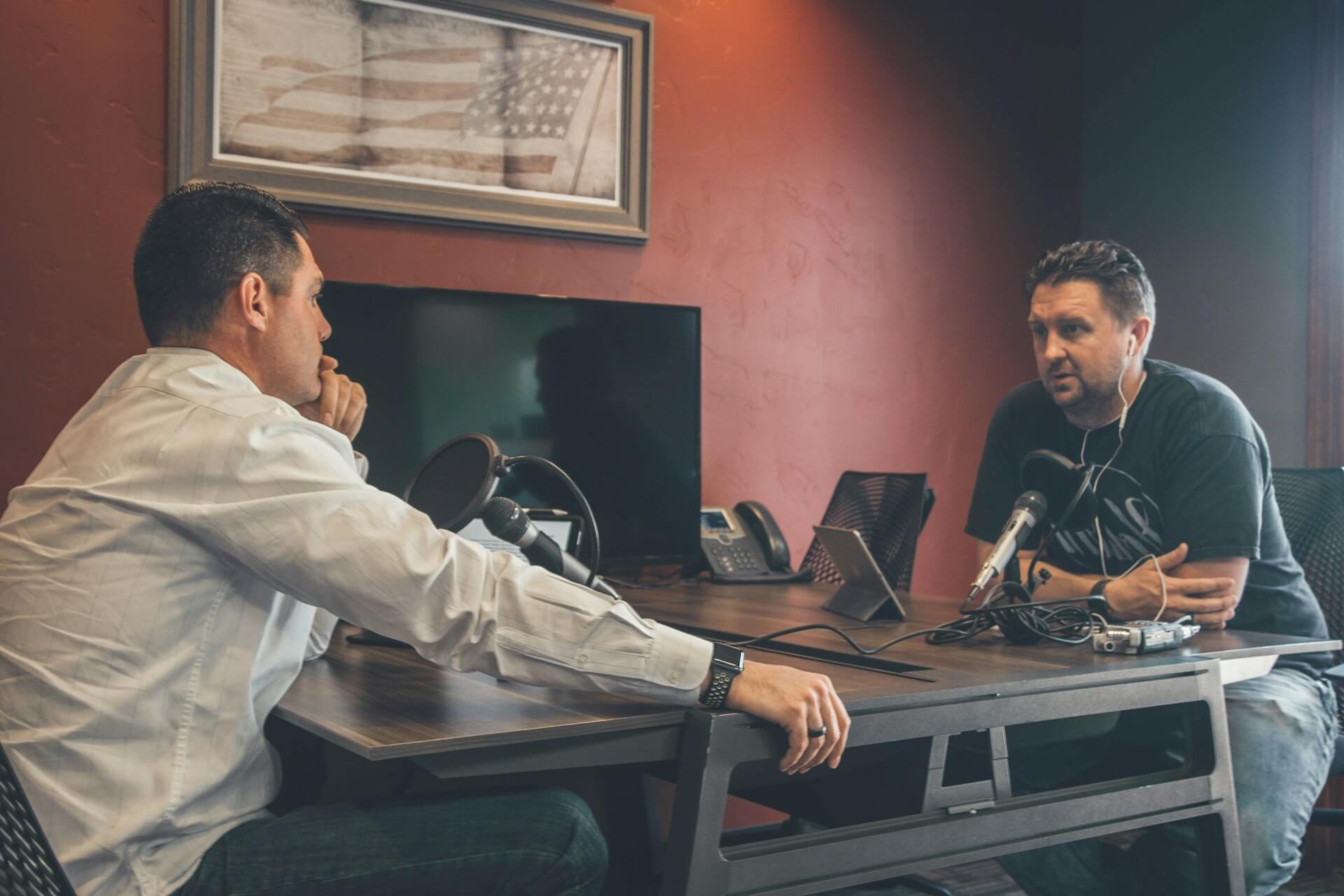
B2B podcast advertising works on the opposite math from consumer advertising. You are not chasing a low cost per acquisition across a wide audience. You are paying to put your name in front of a few hundred decision-makers who can each be worth six or seven figures in lifetime value. That changes everything: the shows you buy, the format you use, the words the host reads, and the way you measure return. The right move is almost never a programmatic ad slot on a large general-interest show. It is a host-read endorsement on a small, sharply targeted program where a meaningful share of the audience can actually buy from you. Get the targeting right and a show with 4,000 listeners can outperform one with 400,000.
Why the DTC playbook breaks in B2B
Consumer advertising optimizes for volume and low CAC. A mattress brand wants the cheapest possible cost to reach someone who might spend a few hundred dollars once. Reach is the lever. The wider the net, the better.
B2B inverts every variable. Your deal sizes are large, your sales cycles are long, and your total addressable buyer pool is small. You do not need a million impressions. You need the right forty people to know your name before your sales team ever calls.
This is the high-LTV, narrow-audience reality. When a single closed account is worth $80,000 a year and stays for three years, a sponsorship that produces two qualified conversations has already paid for itself many times over. The cost per impression is almost irrelevant. The cost per qualified buyer reached is everything.
The trap is importing DTC instincts into this environment. Operators see a big audience number and assume bigger is better. In B2B, a big general audience is mostly waste. You are paying to reach students, hobbyists, and people in adjacent industries who will never buy.
Target extreme niches, not big numbers
The shows that move B2B pipeline are often small enough that the broader advertising market ignores them. That is precisely why they work. A podcast for heads of revenue operations or hospital procurement leaders or commercial real estate underwriters may have a few thousand listeners, but the concentration of buyers is extraordinary.
Density beats reach. The metric that matters is what share of the audience matches your buyer. A show where 30% of listeners are your exact buyer is worth more than one ten times larger where 1% match.
To find these shows, work backward from the buyer, not forward from the download numbers:
- Identify the specific role you sell to, not the industry. “VP of Supply Chain at mid-market manufacturers” is targetable. “Manufacturing” is not.
- Find where that role gets its information. Which shows do they cite, share, and appear on as guests?
- Check the guest list. If the show consistently books people with your buyer’s title, the audience is full of them too.
- Read the show’s recent direction. A program drifting toward your category’s problems is a warmer placement than one that mentions it once a quarter.
The harder part is that these shows rarely advertise that they take sponsors. Many have never run an ad. The right move is direct outreach to the host, often the first sponsor they have ever had, which gives you leverage on price and exclusivity. Mapping a person’s full footprint across audio before you reach out is exactly the work that turns a cold pitch into a warm one, and it is the core of how to monetize industry authority through audio from the buyer’s side of the table.
Host-read endorsement beats programmatic every time
In B2B, a host-read endorsement is not a nicer version of a programmatic ad. It is a different instrument entirely. The host has spent months or years building trust with a narrow, high-value audience. When they personally vouch for you, you borrow that trust.
Programmatic ads (the dynamically inserted spots that get dropped into any show that matches a demographic) carry none of that. They sound like ads, listeners tune them out, and they are decoupled from the host’s credibility. They are built for scale and cheap reach, which is the consumer goal, not yours.
The difference shows up in the numbers. A generic programmatic spot might convert at a fraction of a percent. A genuine host endorsement on a tightly matched show can drive a response rate that looks more like a warm referral, because functionally that is what it is.
To get the most from a host-read, give the host real material:
- One specific outcome a customer like their listener achieved, with a number attached.
- The exact problem your buyer feels, in the language they use, so the host can voice it naturally.
- A single, low-friction next step, usually a dedicated URL or a named offer, never a generic homepage.
- Room for the host’s own words. Scripted-to-death reads kill the trust you are paying for. Brief them, do not cage them.
The integrated narrative play most advertisers miss
Here is the move almost no one spells out. The highest-return B2B audio placement is often not an ad at all. It is getting your own expert onto the show as a guest, then running a light host-read in the same window.
A 40-minute conversation where your founder or technical lead demonstrates real depth does more than any 30-second spot. It positions your company as the authority, not the advertiser. The audience hears expertise, not a pitch. Then a short host endorsement in that same episode closes the loop and tells listeners exactly what to do next.
This works because B2B buyers do not respond to interruption. They respond to demonstrated competence. The guest spot proves you know their problem cold. The ad just hands them the path to act. Run both together and the combined effect outperforms either alone by a wide margin.
The honest catch: this is harder to book and harder to scale. You cannot buy a guest slot the way you buy an ad. You earn it by being genuinely worth an hour of the audience’s time, and by pitching the host with a read on where their show is heading. That effort is the moat. It is also why the placement is so defensible once you win it.
Measure pipeline, not direct sales
The fastest way to kill a winning B2B audio program is to judge it by last-click attribution. Your buyer does not hear an ad and immediately buy a $90,000 platform. The sales cycle is months long and touches many channels. If you demand a clean direct-response number, you will cancel sponsorships that are actually working.
Measure influence on pipeline instead. The signals that matter:
- Branded search lift. Do searches for your company name rise in the weeks after an episode airs?
- “How did you hear about us” mentions. Ask on every demo form and every sales call. Audio shows up here far more than in click data.
- Deal velocity. Do prospects who already knew your name move through the cycle faster and close at higher rates?
- Vanity-free engagement. Dedicated URLs and promo codes catch the small share who act immediately, but treat them as a floor, not the full picture.
The strategic reframe: a host-read endorsement is a top-of-pipeline trust deposit, not a coupon. It makes every later touch from your sales team land warmer. Measure the warming effect, not just the immediate click, and the math turns clearly in your favor.
Where to place your budget over time
The B2B audio market moves. Categories that are cheap and uncrowded today get expensive once your competitors notice them. The advantage goes to the operator who spots the shift early. Tracking which formats and which niche shows are gaining advertiser interest before the field crowds in is its own discipline, and it is worth understanding how to read emerging advertising trends before your peers so you are buying into rising shows, not bidding up saturated ones.
A practical allocation for most B2B operators starts concentrated, not spread thin:
- Anchor on two or three high-density shows where your buyer concentration is provable. Commit to a run, not a single drop. Trust compounds with repetition.
- Reserve budget for guest-plus-endorsement plays on the highest-authority show in your niche.
- Hold a small experimental line for newer shows your competitors have not found yet, where rates are low and exclusivity is available.
Spreading a B2B budget across many shows for reach is the most common and most expensive mistake. Concentration builds recognition. Recognition shortens sales cycles. That is the whole game.
Watch the conversation, not just the ad slot
The shows worth sponsoring are usually already talking about your category, your competitors, and the exact problems you solve. That conversation is a live targeting signal. When a host voices a frustration your product resolves, that is the moment to reach out, and an endorsement booked in that window lands with far more weight than a cold media buy.
This is where always-on monitoring earns its place. Seraphina Podcast Intelligence tracks how your category and your rivals get discussed across every show in your space, surfaces the moment a host raises a problem you solve, and identifies the niche programs where your buyers actually concentrate. It also maps which high-density shows your competitors are sponsoring that you are not, which is a direct read on your open whitespace. You stop guessing which small show is worth a placement and start buying from signal.
Frequently Asked Questions
How much should a B2B company expect to pay for a niche podcast sponsorship?
Pricing on small B2B shows is highly variable because many have never sold a sponsorship. Expect to negotiate directly rather than off a rate card. Anchor your offer to the value of reaching the audience, not the raw download count, and you can often secure exclusivity in your category for a modest spend.
Is a small podcast really worth it with only a few thousand listeners?
Yes, when the audience is dense with your buyers. A show with 3,000 listeners where 25% hold your target role reaches 750 real prospects. A general business show with 300,000 listeners might reach fewer actual buyers and cost ten times more. Density beats reach in B2B.
Should I use a host-read or a programmatic ad?
For B2B, host-read endorsements win in nearly every case. You are paying to borrow the host’s trust with a narrow, high-value audience, which programmatic spots cannot deliver. Reserve programmatic for broad consumer reach, which is rarely your goal.
How do I prove podcast ads are working if I can’t track direct sales?
Track branded search lift, “how did you hear about us” responses on demo forms and sales calls, and whether prospects who already know your name close faster. Treat audio as a pipeline-warming channel, not a direct-response one. The influence shows up in deal velocity and close rates, not last-click data.
How do I find the right niche shows for my buyer?
Work backward from the specific role you sell to, then find where that role gets information and which shows consistently book guests with that title. The guest list is the clearest proxy for the audience. Monitoring how your category is already discussed across podcasts shortens this from weeks of manual research to a targeted list.
Can I get my own expert onto these shows instead of just buying ads?
Often yes, and it usually outperforms a pure ad buy. A guest spot demonstrates real expertise and positions you as the authority, while a short host-read in the same episode tells listeners how to act. You earn the slot by pitching with a genuine read on the show’s recent direction, not by buying it.
How long should I commit to a sponsorship before judging it?
Commit to a run of at least four to six episodes on an anchor show. B2B recognition compounds with repetition, and a single drop rarely produces measurable pipeline movement. Judging a placement after one episode is the fastest way to abandon something that was about to work.
Your next move
Start by naming the single role you sell to, then build a short list of the densest shows that role actually listens to. Buy a committed run of host-read endorsements on two or three of them, pair at least one with a guest appearance, and measure the warming effect on your pipeline rather than the click. Before you spend a dollar, see where your category and your competitors are already being discussed, because that conversation tells you exactly which shows and which moments are worth your budget.