Podcast Intelligence Hub
B2B Influencer Marketing: Sponsoring Niche Industry Podcasts

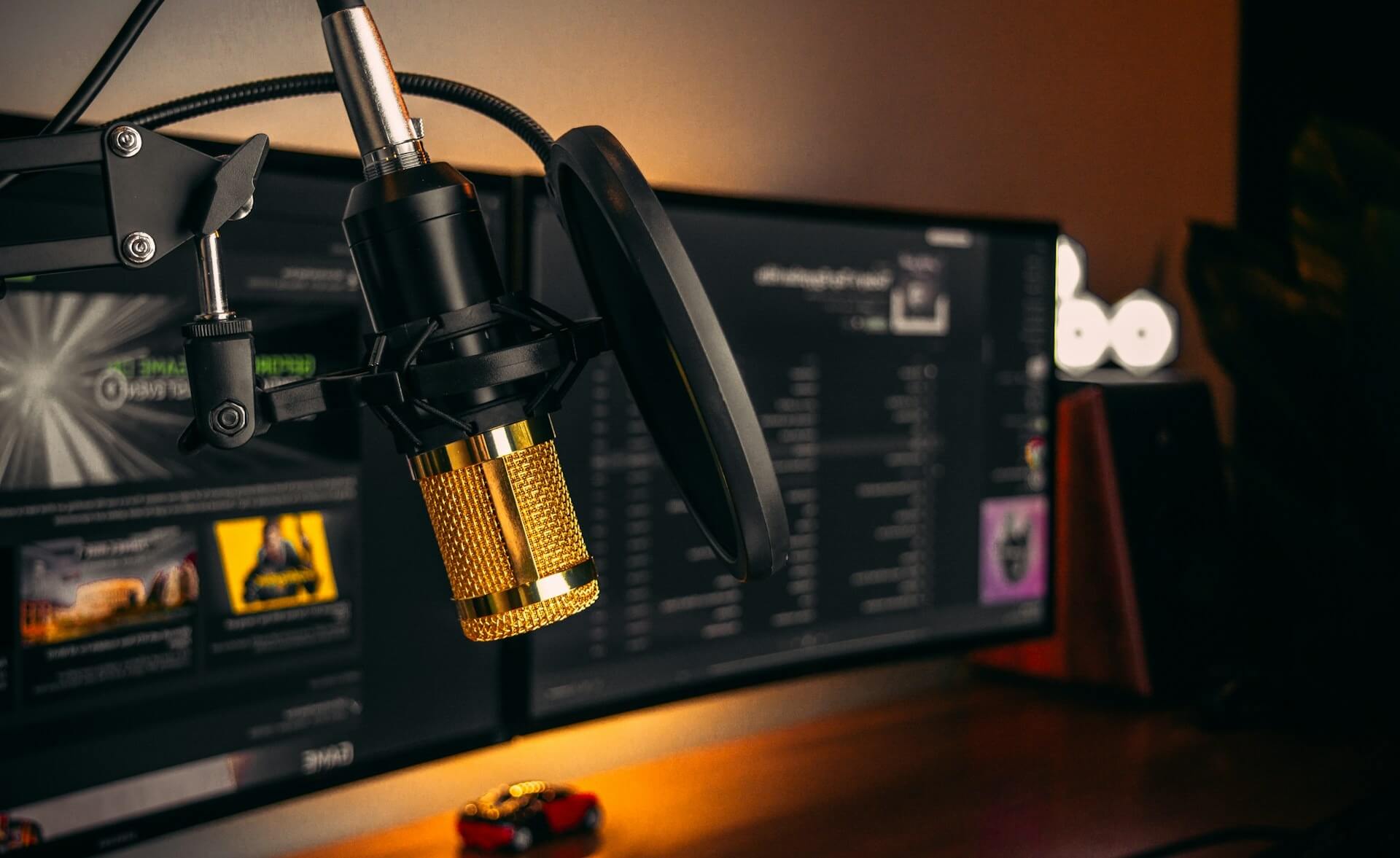
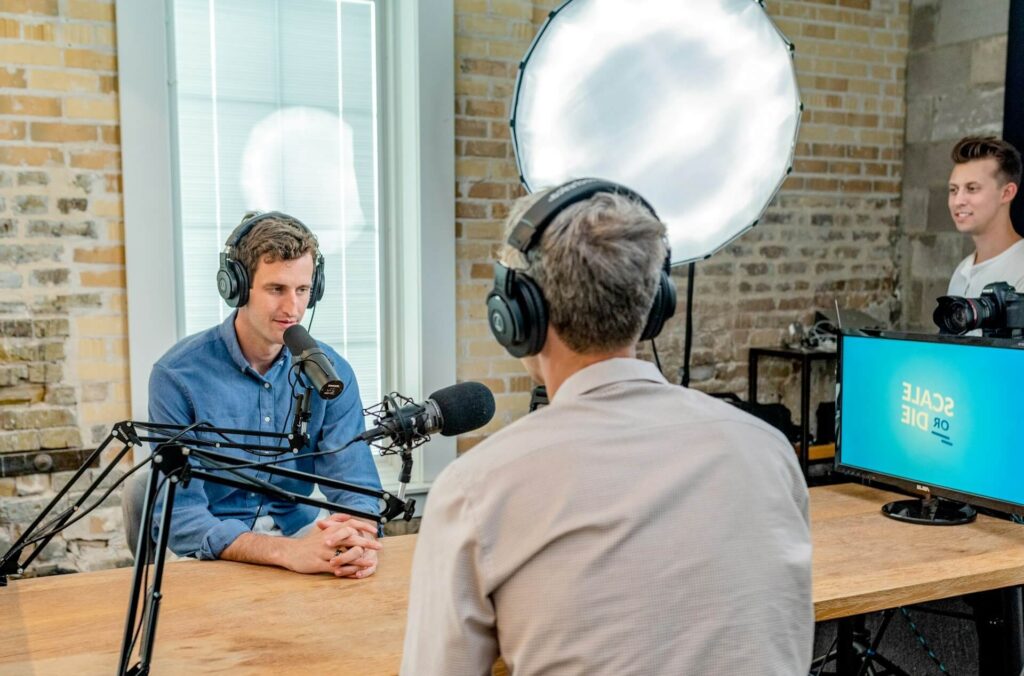
The most effective B2B influencer in your market is not a LinkedIn personality with 90,000 followers. It is the host of a niche industry podcast with 4,000 deeply qualified listeners who treat that host as a trusted advisor. Sponsoring that show transfers the host’s credibility to your brand in a way display ads and cold outreach never will. The mechanism is simple: when a host your buyer already trusts says your name in their own voice, your product inherits a layer of trust you cannot buy any other way. The play is to find the right hosts, structure the integration so the trust actually transfers, and measure the pipeline it produces.
For a SaaS company or B2B brand, this matters because your buyers have stopped responding to interruption. They mute, block, and ignore. But they will listen to a 40-minute conversation from someone they respect, and they will remember the brand that host vouched for. That is the asset you are buying.
What a B2B influencer actually is
Forget reach. In B2B, the influencer that moves pipeline is defined by trust density, not audience size. A niche industry podcast host has spent years earning the attention of a specific, hard-to-reach group: procurement leads, CISOs, RevOps directors, founders in one vertical. Their authority is narrow and deep.
That narrowness is the entire value. A general business influencer reaches everyone and therefore qualifies no one. A host who only talks about supply chain software, or independent RIA practice management, or devops tooling, has pre-sorted your exact buyer for you. Every listener is a candidate.
The signal to watch for is whether the audience treats the host as a peer or as an authority. Hosts who get asked for buying advice in their DMs and their reviews are the ones whose endorsement carries weight. Those are your B2B influencers.
The halo effect of host trust
When a host reads your sponsorship in their own words, something happens that no media buy replicates. The listener does not process it as an ad. They process it as a recommendation from someone they have invited into their commute, their gym session, their workday. That parasocial trust is the most undervalued asset in B2B marketing.
This is the halo effect, and it operates on three levels:
- Implied endorsement. The host chose to work with you. The audience assumes you passed a filter.
- Contextual relevance. Your message arrives wrapped inside content the listener already values, so it carries the credibility of the surrounding conversation.
- Repetition without fatigue. A host’s voice saying your name across 12 episodes builds familiarity that 12 banner impressions never could.
The honest caveat: the halo only transfers if the host genuinely respects what you sell. A flat, scripted read from a host who clearly has not used your product produces the opposite effect. The audience hears the disinterest. Trust is the whole transaction, and a bad read spends it.
Finding the micro-influencers hiding in audio
The hard part is discovery. Niche podcast hosts do not appear on influencer marketplaces. They do not have media kits. Many do not even know they are sellable. The hosts with the most concentrated authority in your category are frequently the hardest to find by browsing charts, because charts reward volume, not relevance.
There are three ways to surface them, in increasing order of precision:
- Listen to where your buyers already are. Ask five customers what they listen to. The same two or three shows will surface fast. Those are your anchor targets.
- Track who your competitors sponsor. If a rival is integrated into a show, that host’s audience is already a validated fit for your category. Their open doors are your open doors.
- Monitor where your category is discussed. The highest-value hosts are the ones already talking about the problem you solve, often without naming any vendor. They are warm by default.
This last move is where most teams underinvest. Somewhere right now, a host is telling their audience that the workflow you fix is broken, and naming no solution. That is an open lane. Seraphina Podcast Intelligence monitors where your category and your competitors are discussed across the podcast space, and surfaces the exact moment a host voices a problem you solve, with the booking contact and a drafted opener tuned to that episode. Interception beats cold discovery every time.
Structuring the campaign so trust actually transfers
A B2B podcast sponsorship is not a media buy with a CPM. Treat it like one and you will waste the budget. Structure it as an endorsement partnership built to maximize the host’s credibility transfer.
Buy the host-read, not the slot
The single most important decision: insist on a host-read integration, not a produced spot dropped into the feed. The host’s own framing is the product you are paying for. Give them three or four talking points and a single concrete proof point, then let them say it their way.
Commit to a flight, not a one-off
One episode produces a spike and nothing else. A six to twelve episode flight builds the repetition that turns a name into a default choice. B2B purchase cycles are long. Your endorsement needs to still be ringing in the listener’s ear when budget season arrives.
Give the host something real to say
The best integrations hand the host a story, not a slogan. A specific customer outcome, a free tool the audience can use, a data point only you have. The host wants to sound useful to their audience. Make that easy and the read sounds like advice, not advertising.
Build a trackable path
Use a dedicated landing page or vanity URL per show, plus a “how did you hear about us” field that lists the shows by name. Self-reported attribution is more honest than you expect in B2B, because buyers remember the host who recommended you. This is also how you prove the channel internally.
What a fair deal looks like
Pricing for niche B2B shows rarely follows public rate cards. Many hosts have never been approached and will price by instinct. As a rough frame, expect host-read integrations on a focused industry show to run anywhere from a few hundred to a few thousand dollars per episode, scaling with audience concentration rather than raw downloads.
The leverage in the negotiation is relevance. A show with 3,000 listeners who are all your exact buyer is worth more than one with 50,000 generalists, and a smart host knows it. The flip side: many hosts undervalue their own audience because they have never seen the demand data. If you understand the commercial mechanics of these deals from both sides, you negotiate better. The definitive breakdown of how that value is built and priced sits in our briefing on [how to monetize industry authority through audio sponsorships](https://getseraphina.com/audio-monetization-sponsorships-guide/).
When the host won’t take money
Some of the highest-authority hosts in your space do not run ads and will refuse a straight sponsorship. This is not a dead end. It is an invitation to a different structure.
- Offer a guest spot for a senior leader. Many hosts would rather book your CEO than take your money. The endorsement is implicit and often stronger.
- Sponsor the production, not the read. Underwrite the show’s costs in exchange for a simple thank-you mention. Lower friction, still real.
- Build a content partnership. Co-produce a series, supply proprietary data the host can build episodes around, or sponsor a live event. The association forms without an ad ever airing.
These approaches require more relationship work, and that is the honest cost. But they buy access to hosts your competitors cannot reach with a checkbook.
Reading the show before you approach
The fastest way to get ignored is to pitch a host a generic sponsorship email. The fastest way to get a yes is to demonstrate you actually understand their show. Before any outreach, study the last five episodes: what problems are they circling, what tone do they hold, who have they had on, what have they said about your category.
Then anchor your approach to a real moment. “On your episode with [guest], you said [the workflow] was the part nobody has solved. That is exactly what we built for, and I would love to support the show.” That opener proves you listen, and it positions your product as the answer to a problem the host already raised on the record.
Scaling that level of personalization by hand across 30 target shows is the part that breaks most teams. Seraphina profiles a show’s recent direction and the host’s repeated themes, then drafts an opener tuned to their latest episode, so every approach lands as a peer who clearly listens rather than a buyer working a list.
Measuring it so finance keeps funding it
The objection you will face internally is attribution. Podcast endorsement does not produce clean last-click data, and pretending otherwise will burn your credibility. Be honest about the model.
- Track self-reported attribution at signup and on sales calls. In B2B, buyers name the host.
- Watch for branded search and direct traffic lift in the days after each episode airs.
- Tag inbound leads that mention the show or the host by name and follow them all the way to closed revenue.
One strong host integration that produces three closed enterprise deals over a quarter outperforms most paid channels on a fully-loaded basis. The trick is patience and clean tracking, not a magic dashboard. If you are also on the receiving side of these deals as a host or guest, the same mention data is what wins the partnership in the first place, which we cover in [how to pitch a brand for a podcast sponsorship using mention data](https://getseraphina.com/pitch-brand-podcast-sponsorship-data/).
Frequently Asked Questions
How is B2B influencer marketing on podcasts different from B2C?
B2C influencer marketing optimizes for reach and impressions. B2B optimizes for trust density inside a narrow buyer group. A niche host with a few thousand qualified listeners outperforms a large generalist, because every listener is a candidate and the host’s endorsement carries advisory weight in a long, considered purchase.
How many listeners does a podcast need to be worth sponsoring?
Download count is the wrong filter. A show with 2,000 listeners who are all your exact buyer is more valuable than one with 50,000 mixed listeners. Judge by audience concentration and how much the audience trusts the host, not by chart position.
Should I use a produced ad or a host-read?
Host-read, almost always. The host’s own voice and framing is the entire reason the endorsement transfers trust. A produced spot dropped into the feed gets processed as an ad and skipped. Give the host talking points and let them say it their way.
How long should a sponsorship run?
Commit to a six to twelve episode flight, not a single drop. B2B buying cycles are long, and repetition is what turns brand awareness into a default choice. One episode produces a spike and then silence.
How do I find niche industry podcasts that my buyers actually listen to?
Start by asking five current customers what they listen to, then track which shows your competitors already sponsor, since those audiences are validated fits. The most precise method is to monitor where your category and the problem you solve are being discussed, which surfaces hosts who are warm before you ever reach out.
What if the host refuses to take sponsorship money?
Restructure the deal. Offer a guest spot for a senior leader, underwrite production costs for a simple mention, or build a content partnership around proprietary data. High-authority hosts who reject ad dollars will often accept these, which is exactly why they are worth pursuing.
How do I prove the ROI to my finance team?
Use self-reported attribution at signup and on sales calls, watch for branded search and direct traffic lift after each episode, and tag inbound leads that name the host through to closed revenue. B2B buyers reliably remember and name the host who recommended you, so the model is more measurable than it first appears.
Your next move
Pick one show this week. Find the three or four podcasts your buyers already trust, study the last five episodes of the strongest one, and approach the host with a host-read integration anchored to something they actually said on the record. That single, well-chosen partnership will teach you more about this channel than any amount of planning.
The discovery work is where most teams stall, because the right hosts are hard to find and harder to time. Map where your category is discussed and where your competitors are already integrated, then move on the open lanes before they do.