Podcast Intelligence Hub
Podcast PR: Why Long-Form Audio is Replacing Traditional Media

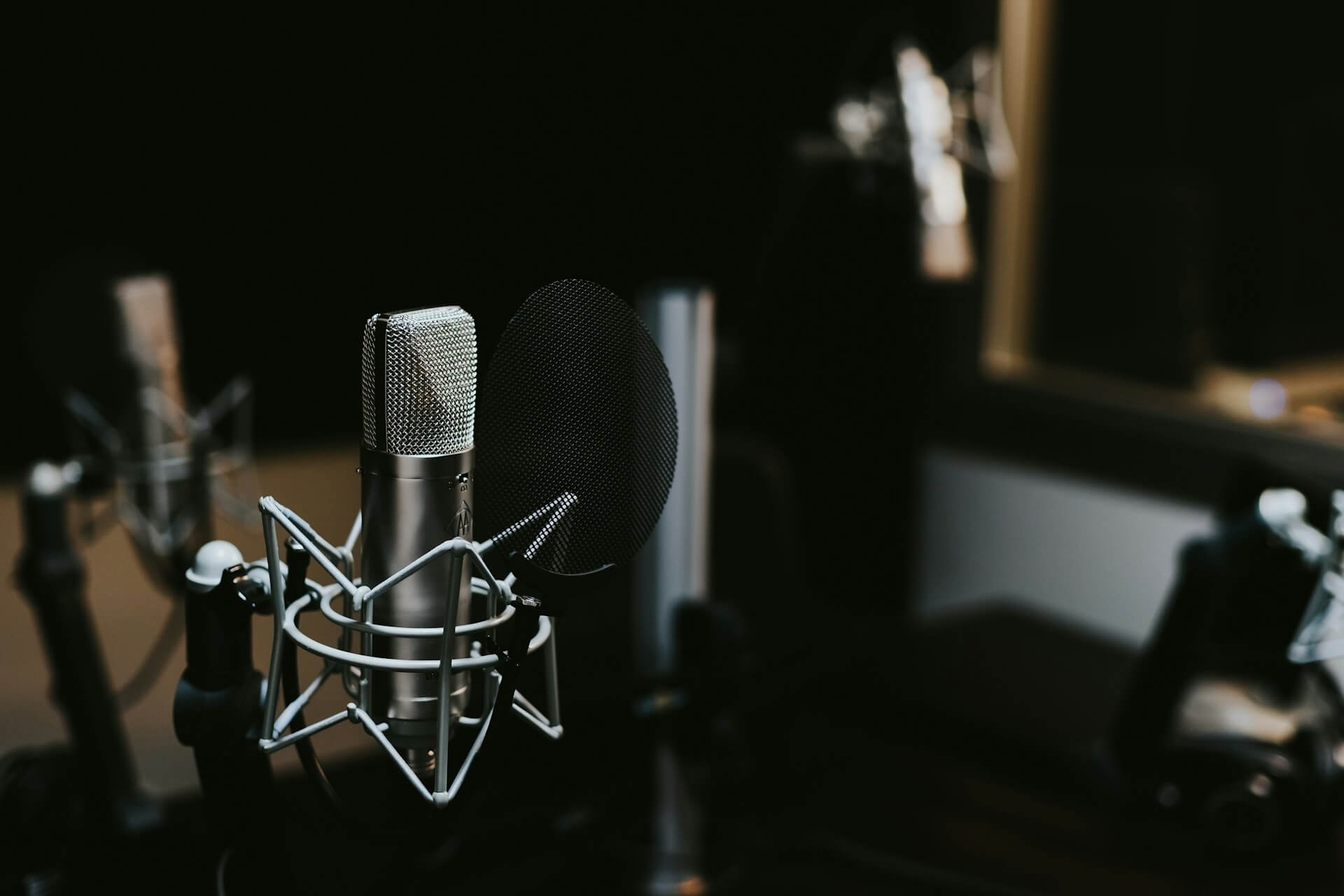
B2B founders and consultants are leaving print PR because the math no longer works. A print feature delivers a spike of attention that decays within a week, sits behind a paywall, and rarely reaches the decision-makers you want. A long-form podcast interview does the opposite: it puts 30 to 60 minutes of your unfiltered thinking in front of a self-selected, high-intent audience, then keeps surfacing in search and recommendation for years. The trade is short-lived visibility for compounding trust. For anyone whose reputation is their primary commercial asset, that trade is no longer close.
The stakes are immediate. While you are still chasing a journalist who may cut your best line, a competitor is recording their fourth episode of the quarter and quietly becoming the name buyers hear first. The narrative in your category is being set in audio right now, with or without you in it.
The print engagement collapse is structural, not cyclical
Print PR has not slowed down. It has changed shape in ways that hollow out its value for a personal brand. The problems compound:
- Attention is borrowed and brief. A feature gets a day of traffic, then the news cycle moves on. There is no second wave.
- You do not control the edit. A 45-minute interview becomes two sanitized quotes wrapped around the journalist’s angle, not yours.
- The reader is passive. Someone skimming an article is not leaning in. They are scanning headlines between meetings.
- Paywalls and SEO decay bury it. The piece often sits behind a subscription, and its search ranking fades within months.
None of this is a journalist failing at their job. It is the medium doing exactly what it does. The format rewards breadth and speed, not depth and trust. For a founder selling a considered, high-ticket decision, breadth and speed are the wrong currency.
Audio builds trust that print structurally cannot
The reason audio outperforms is not reach. It is intimacy. A listener spends real time with your actual voice, your hesitations, your reasoning, your sense of humor. By minute twenty, they feel they know how you think. That is a parasocial bond no quoted sentence in a newspaper can manufacture.
This matters commercially because trust is the bottleneck in every high-ticket sale. A consultant, a fractional exec, an advisor: the prospect is not buying a product spec. They are buying judgment. A long-form conversation is the most efficient way to demonstrate judgment at scale, because the listener experiences it directly rather than being told about it.
There is a second-order effect operators miss. Listeners consume podcasts in private, undistracted moments: commuting, training, walking the dog. You are not competing for attention with twelve open tabs. You have their full cognitive bandwidth for an hour. No print placement buys that.
The compound interest of an evergreen episode
Here is the asymmetry that decides the argument. A print feature is a depreciating asset. A podcast episode is an appreciating one.
An evergreen episode keeps working long after the recording date. It surfaces in podcast search, in show notes indexed by Google, in the host’s recommendation engine, and in the back catalog new subscribers binge when they discover the show. A single strong appearance can still be sending you qualified inbound two years later. That is compounding. Print decays in a week; audio accrues.
The strategic move most people miss is treating each episode as a distributable asset, not a one-time event. One 45-minute interview is a dozen short clips, a quote graphic, a newsletter segment, and a piece of sales collateral you send a prospect who is on the fence. The recording is the raw material. The leverage comes from how many times you put it back into circulation. We break down the full sequencing of guest appearances and follow-on assets in our guide to podcast PR and guest strategy.
The audience is the real reason to switch
Print PR sells you on circulation numbers. Podcast strategy sells you on precision. A niche B2B show with 4,000 downloads per episode can be worth more than a national outlet with a million readers, because every one of those 4,000 listeners chose to spend an hour on your exact subject.
Consider who actually listens to a focused business podcast. They are typically:
- Decision-makers and operators, not passive consumers, since they are investing time to get sharper at their work.
- Higher-income and higher-intent, because the show topic pre-qualifies them for your offer.
- Loyal to the host, which means the host’s credibility transfers to you the moment they introduce you warmly.
That last point is the quiet engine. When a trusted host says “I’ve been wanting to have this person on for months”, you inherit their authority before you say a word. A journalist’s byline does not transfer trust to a source. A host’s endorsement does. This is why the right small show beats the wrong large one almost every time.
How to read a show before you ever pitch it
The operators who win at this do something most never bother with: they diagnose a show’s trajectory before pitching. A show is not a static target. It has a recent direction, a tonal shift, a set of themes the host keeps circling.
Pull the last six to eight episodes and look for three signals:
- The recurring problem the host keeps raising. If they have mentioned a specific pain three times in a month, that is your opening line.
- The guest profile they are trending toward. Are they moving upmarket, getting more technical, leaning into a niche? Match the trajectory, not the back catalog.
- The format they are settling into. Solo deep-dives, debate, tactical teardowns. Pitch yourself in the format they clearly prefer.
The pitch that books is not “I’d love to come on your show.” It is “In episode 84 you said onboarding is where most of these deals die. I rebuilt that exact stage for three companies last year and have the numbers. That’s a conversation your audience would use.” You referenced their work, named a problem they already care about, and promised the listener a concrete takeaway. That structure books. The full anatomy of the booking pitch lives in our briefing on how to get interviewed on high-traction podcasts.
The interception play print cannot offer
Here is the move no print strategy can replicate, and the reason audio is a different game entirely. Because podcasts are spoken and public, you can catch the exact moment a host voices a problem you solve, then reach out while it is still fresh in their mind.
A host spends four minutes on an episode lamenting how hard it is to find good operators in their space. You consult on exactly that. If you hear it within days and open your email with that specific moment, you are not a cold pitch. You are the answer to a question they just asked out loud. That is interception, and it converts at a rate cold outreach never will.
The honest problem is bandwidth. No human can listen to every relevant show in their niche to catch these moments in time. This is the work Seraphina Podcast Intelligence does in the background: it monitors how you and your space are talked about across podcasts, flags the moment a host raises a problem you solve, and drafts an opener tied to that exact timestamp. The signal is already out there. The constraint has always been hearing it before the moment goes cold.
Where audio still takes real work
Audio is not effortless, and pretending otherwise is how people waste a year. Be honest about the cost:
- Booking is slower than a press release. Good shows vet guests. You earn a slot with a sharp, specific pitch, not a blast.
- You have to be genuinely good on the mic. A weak guest spot can hurt you. The format exposes thin thinking that a quote could hide.
- One appearance is not a strategy. The compounding only kicks in across a consistent sequence of appearances on the right shows.
- Distribution is on you. The host publishes; the leverage comes from how you redistribute the asset afterward.
None of this is a reason to stay with print. It is a reason to run audio like an operator, with a target list, a read on each show, and a system for catching opportunities. The payoff is a reputation asset that keeps working while you sleep.
Frequently Asked Questions
Is print PR completely dead for founders?
No. A placement in a top-tier outlet still carries logo-on-the-wall credibility and can validate a fundraise or a launch. The shift is in where the trust and pipeline actually come from. Print is now a credibility badge; audio is the engine that builds relationships and inbound. Use print for the logo, audio for the revenue.
How many podcast appearances do I need before it pays off?
The compounding usually becomes visible after six to ten well-chosen appearances on shows that genuinely hold your buyers. The number matters less than the fit. Three appearances on perfectly targeted niche shows will outperform fifteen scattered ones. Consistency over a year is what builds the recognition that converts.
How do I measure ROI on a podcast interview versus a print feature?
Track inbound that references the episode, profile visits and connection requests in the days after it drops, and prospects who mention “I heard you on…” in sales calls. The harder, more valuable metric is the shortened sales cycle: prospects who arrive already trusting you close faster. Print rarely produces that effect, which is why it is harder to attribute revenue to it.
Should I prioritize big shows or niche shows?
Prioritize fit over size. A niche show whose audience is exactly your buyer will out-convert a massive general-interest show every time, because the listeners are pre-qualified and the host’s endorsement carries directly. Reserve the big swings for credibility moments, not lead generation.
What makes a podcast pitch get rejected instantly?
Generic pitches that show no knowledge of the show. If your email could have been sent to a hundred hosts unchanged, it is dead on arrival. The fixes are specific: reference a recent episode, name a problem the host cares about, and promise a concrete takeaway for the listener.
How do I find which shows my competitors are using?
Map a rival’s appearances over the last 90 days and you see their full podcast footprint, including the high-reach shows they appear on that you do not. Those are open doors: hosts already proven to book people like you. Seraphina builds that map automatically and flags the whitespace where a competitor is claiming a narrative you should be in.
Can I repurpose one interview into multiple assets?
Yes, and you should treat it as the core of the strategy. One 45-minute recording yields short video clips, quote graphics, a newsletter segment, and sales collateral. A single strong positive moment can also be rendered into a branded, shareable video that works as standing proof long after the episode airs.
Your next move
Stop measuring PR by placements and start measuring it by compounding trust. Build a target list of ten shows whose audience is precisely your buyer, read the last six episodes of each, and pitch the top three with an opener tied to something specific the host said. That is a week of work that pays for years.
Then make the opportunities come to you. Monitor your space so you catch the moment a host voices a problem you solve, and know which shows your competitors are using before you waste a pitch. The conversation in your category is already happening. The only question is whether you are hearing it in time to act.